Sheet 1
- Attachment based work
- Cognitive behavioral tools
- Emotionally focused methods
About David
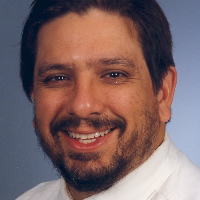
Dr. David Mathews is a Licensed Independent Clinical Social Worker (LICSW) practicing in Minnesota with 35 years of experience. He works with people facing relationship strain, trauma and abuse, parenting stress, anxiety, depression, addiction concerns, grief, anger, intimacy issues, and LGBT-related matters.
He sees therapy as a collaborative process. Sessions focus on clear goals and practical steps. He uses techniques drawn from cognitive behavioral methods, attachment-based ideas, and emotionally-focused work to help people understand patterns and change behaviors.
David has spent decades working with survivors of intimate partner violence, people who have acted abusively toward others, and those who witnessed harmful behaviors in homes or community settings. He also helps people with sexual violence, bullying, emotional regulation, and chemical health concerns. His background includes combining multiple perspectives to understand how relationships and development affect current problems.
His style is interactive and based on mutual respect. He avoids stigmatizing labels and aims to address problems directly while recognizing how past relationships shape current reactions. He adapts conversations and plans to the issues a person brings.
For parents, he focuses on practical parenting problems and the effects of family interactions on behavior. For those working on relationships, he looks at attachment patterns and communication. To begin, readers are invited to use the site process to match and schedule an initial session.
Sheet 2
How attachment, CBT and EFT inform online work
Attachment-Based Therapy looks at how early relationship patterns shape current reactions and closeness. It helps people understand why they respond a certain way in relationships and focuses on changing interactional cycles.Cognitive Behavioral Therapy (CBT) focuses on the links between thoughts, feelings and behavior. It uses clear steps and skill practice to reduce anxiety, manage mood, and change unhelpful habits.
Emotionally-Focused Therapy (EFT) concentrates on emotions and how partners or individuals organize reactions during conflict. It helps people name emotions, shift interaction patterns, and build more effective responses.
Finding the right approach is part of the work. The therapist will discuss goals, preferences, and challenges and will recommend methods that fit the person's needs. That decision is made together rather than assumed up front.
The practical benefits of doing sessions online depend on the formats supported for this clinician. Please confirm available session formats before booking. In general online sessions can make it easier to fit appointments into busy schedules, allow for shorter check-ins when needed, and reduce travel time. They can also make it simpler to involve work or family logisitics in planning without promising a specific service.
Sheet 3
Areas of expertise
Primary focus
Also works with
Therapeutic approaches
Experience
35+ years
Listed in
Minnesota
Languages
English
Sheet 4
Frequently asked questions
What concerns does he address?
He works with relationship strain, trauma and abuse, parenting problems, stress and anxiety, addictions, grief, anger, self-esteem and depression, plus LGBT-related issues and intimacy concerns.
What is his therapeutic style?
He uses an interactive, goal-oriented approach that combines cognitive behavioral, attachment-based, and emotionally-focused ideas. Sessions emphasize dialogue and practical steps.
How much experience does he have?
He has 35 years of experience practicing as a counselor and therapist in Minnesota.
What credentials and location are listed?
He is a Licensed Independent Clinical Social Worker (LICSW) licensed in Minnesota and practices in that state.
Which languages are supported?
Sessions are offered in English only.
Can international clients work with him?
He does not accept international clients at this time.
How are sessions arranged and paid?
Cost varies with location and sessions use a subscription that can be canceled at any time.
How do I begin working with him?
Use the See online therapy options button, complete the short matching questionnaire, and schedule a first session through the site process.
Online talk therapy is not emergency care. If you are in danger, use the urgent help numbers.