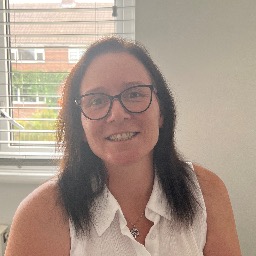
Sheet 1
- Client-centred listening
- Attachment-based work
- CBT techniques
About Clarinda
Counsellor (BACP), 14 years' experience. Clarinda Burns helps people with stress, anxiety, addictions, trauma, grief and low mood. She also supports concerns around relationships, intimacy, eating and sleeping, parenting, anger, self-esteem, career decisions and coping with life changes.
Clarinda centres sessions on the client and uses a mix of approaches to suit the person. She draws on client-centred work to listen and reflect, attachment-based ideas to look at patterns in relationships, cognitive behavioural techniques to address unhelpful thoughts, and psychodynamic thinking to examine deeper life themes.
She describes therapy as a place to talk through what brought someone to counselling and to develop clearer thinking about problems. Sessions aim to introduce focus and structure so people can make practical changes and better decisions. Clarinda emphasises helping clients feel more in control as they work on difficult issues.
Her background includes many years supporting people through bereavement, addictions and trauma, as well as longer-standing mental health struggles. She says she will be honest about what can reasonably be achieved in a given timescale and will plan work around those limits.
People can expect a straightforward, steady approach that balances present-focused techniques with exploration of past patterns. Practical strategies and thoughtful conversation are used together to help people move forward at their own pace.
Sheet 2
How Clarinda’s approaches work in online sessions
Clarinda uses client-centred work, attachment-based ideas and cognitive behavioural techniques in her practice. Client-centred work focuses on listening and reflecting so a person can clarify what matters to them; it suits people who need acceptance and space to speak. Attachment-based work looks at relationship patterns and how past bonds affect current behaviour, which can help with intimacy, trust and recurring conflicts. Cognitive behavioural techniques focus on identifying and changing unhelpful thoughts and behaviours, useful for anxiety, mood and practical coping skills.Finding the right approach is part of the work. Clarinda will discuss your goals and preferences and together you will decide which methods to try. She aims to be collaborative and to adapt methods as progress is reviewed.
The biography does not list specific online formats, so please confirm the available session types before booking. In general, online sessions can make it easier to fit therapy around work and family commitments, reduce travel time and allow shorter check-ins when needed. They can also accommodate people living abroad, since she accepts international clients, but do confirm practical session options and timings in advance.
Sheet 3
Areas of expertise
Also works with
Therapeutic approaches
Experience
14+ years
Listed in
United Kingdom
Languages
English
Sheet 4
Frequently asked questions
What kinds of problems does she help with?
She works with stress, anxiety, addictions, trauma and abuse, grief and depression, plus relationship and intimacy issues, eating and sleeping problems, parenting and career concerns.
How would you describe her therapeutic style?
Her style combines client-centred listening with attachment-based reflection, cognitive behavioural techniques and psychodynamic exploration to match what a person needs.
How much clinical experience does she have?
Clarinda has 14 years of experience working with a wide range of difficulties including bereavement, addictions and trauma.
What credential does she hold and where is she based?
She is registered with the BACP and practises in the United Kingdom.
Which languages are sessions offered in?
Sessions are offered in English and she accepts international clients.
What session formats are available?
The original biography does not specify session formats. Please confirm current session options before booking.
How are sessions charged?
Costs vary with location and sessions use a subscription model that can be cancelled at any time.
What do I need to do to start?
Select the See online therapy options button, complete a short matching questionnaire, and schedule a first session.
Online talk therapy is not emergency care. If you are in danger, use the urgent help numbers.