Sheet 1
- CBT
- DBT
- Gottman Method
About Charlene
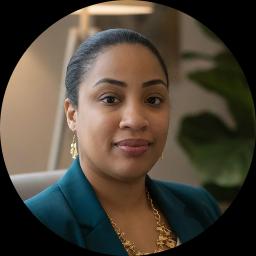
LCSW in New York with 10 years of clinical experience, Charlene Esquilin focuses on stress, anxiety, depression, relationships, family concerns, grief, and related issues. She uses Client-Centered Therapy, Cognitive Behavioral Therapy (CBT), Dialectical Behavior Therapy (DBT), the Gottman Method, and Mindfulness Therapy in her work. Sessions are conducted in English and are aimed at individuals seeking practical ways to manage emotions and improve day-to-day functioning.
Charlene begins by listening to what matters most to the person in front of her. She clarifies immediate goals and then blends conversational, skills-based, and reflective techniques. This can include CBT strategies to address thought patterns, DBT skills for emotion regulation, mindfulness exercises to increase awareness, and Gottman-informed tools for relationship communication.
She pays attention to cultural background and personal identity when planning care. That means adapting language, examples, and pacing so techniques fit the person’s life. The approach is collaborative - goals are set together and adjusted over time.
Charlene also works with concerns like addictions, bipolar challenges, intimacy-related problems, parenting strain, ADHD, anger, self-esteem, career transitions, and coping with life changes. For relationship work she uses elements of the Gottman Method to focus on communication and conflict patterns.
Her practice uses a subscription model for sessions that can be canceled at any time. To begin, people complete a short matching questionnaire and schedule a first session. International clients are not currently accepted.
Sheet 2
How her approaches guide online sessions
Client-Centered Therapy focuses on listening and reflecting so the person sets the priorities; it helps when someone needs to clarify what matters and set personal goals. Cognitive Behavioral Therapy (CBT) looks at the links between thoughts, feelings, and actions and provides concrete strategies to reduce anxiety, manage mood, and change unhelpful behaviors. Dialectical Behavior Therapy (DBT) teaches skills for regulating intense emotions, tolerating distress, and improving interpersonal effectiveness.Choosing the right approach is part of the work. The therapist will discuss your needs, goals, and preferences and recommend a mix of methods. You and the therapist check in on progress and adjust techniques as needed so the plan stays useful and practical.
Session formats are not listed in the biography, so confirm current options before booking. Online sessions can make it easier to fit therapy into a busy life - they reduce travel time, allow a quicker check-in during a break, and can be scheduled around work or caregiving. Some formats may be shorter or involve less video, which can help when bandwidth is limited or when a quick skills check is needed.
Sheet 3
Areas of expertise
Primary focus
Also works with
Therapeutic approaches
Experience
10+ years
Listed in
New York
Languages
English
Sheet 4
Frequently asked questions
What kinds of concerns does she address?
She works with stress, anxiety, depression, grief, relationship and family concerns, addictions, trauma and abuse, intimacy issues, parenting strain, bipolar disorder, ADHD, anger, self-esteem, career questions, and coping with life changes.
What therapeutic approaches does she use?
Her methods include Client-Centered Therapy, Cognitive Behavioral Therapy (CBT), Dialectical Behavior Therapy (DBT), the Gottman Method for relationship work, and Mindfulness Therapy.
How much experience does she have?
She has 10 years of clinical experience working with adults on a range of emotional and interpersonal concerns.
What credentials and where is she based?
She is an LCSW licensed in New York and practices from that location.
Which languages are sessions offered in?
Sessions are offered in English.
Can people outside the US work with her?
She is not accepting international clients at this time.
What session formats are available?
Current session formats are not specified here; please confirm available formats when booking to ensure they meet your needs.
How does cost and billing work?
Session cost varies with location and services; sessions use a subscription that can be canceled at any time.
Online talk therapy is not emergency care. If you are in danger, use the urgent help numbers.