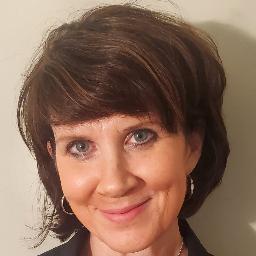
Sheet 1
- Client-Centered Therapy
- Cognitive Behavioral Therapy
- Solution-Focused Therapy
About Catherine
Licensed Professional Counselor (LPC) in Tennessee with 7 years of experience, Catherine Allen focuses on stress, anxiety, family and parenting concerns, depression, relationship and intimacy-related issues, trauma and abuse, grief, anger, coping with life changes, and ADHD. She practices using client-centered principles alongside Cognitive Behavioral Therapy (CBT) and Solution-Focused Therapy. Catherine notes that her worldview is informed by Christian teachings, and she works with people from many backgrounds.
Catherine prioritizes straightforward conversation and practical steps. Sessions tend to emphasize listening first, then identifying small, manageable goals. She blends CBT techniques that look at thinking patterns with solution-focused work that targets immediate changes. The client-centered stance keeps the client's goals central to treatment decisions.
Before licensure she worked three years in clinical roles while completing requirements, and she has seven years total as a practicing counselor. Her credential is LPC, which denotes Licensed Professional Counselor in Tennessee. Those years include work with children and adults in settings where she addressed anxiety, depression, parenting concerns, and relationship and family questions.
In practice she aims to build rapport quickly and to co-create a treatment plan that fits the person in front of her. Expect conversations that move between exploring difficult emotions and trying concrete strategies you can use between sessions. Catherine notes she does not label herself as a Christian counselor for clients, but her perspective is informed by Christian teachings.
Clients who prefer clear goals and practical coping tools often find this combination useful. The approach suits people who want both listening and tangible steps to change day-to-day patterns.
Sheet 2
How her approaches translate to online sessions
Client-Centered Therapy emphasizes listening and following the client’s priorities. In practice this means sessions begin with the person describing what matters most and the therapist adapting questions and pacing to those priorities. Cognitive Behavioral Therapy (CBT) focuses on how thoughts and behaviors interact; online work with CBT often uses brief exercises, thought records, and homework that fit into daily routines. Solution-Focused Therapy looks for small, practical changes and quick steps that can be tried between meetings to test what helps.Choosing the right approach is part of the work together. Catherine will discuss which methods match the client’s goals and preferences, and she adjusts the plan as progress and feedback come in. The process is collaborative rather than fixed from the start.
The specific session formats offered by this therapist are not listed here, so confirm current options before booking. Online sessions can make it easier to fit counseling into busy schedules, allow shorter check-ins when needed, and reduce travel time. They also let clients try focused exercises during the week and bring observations from daily life into sessions. Licensed professionals use these formats to support goal-setting, practice skills, and track small changes over time.
Sheet 3
Areas of expertise
Primary focus
Also works with
Therapeutic approaches
Experience
7+ years
Listed in
Tennessee
Languages
English
Sheet 4
Frequently asked questions
What concerns does she address?
She works with stress, anxiety, depression, grief, anger, relationship and intimacy issues, trauma and abuse, parenting and family concerns, self-esteem, coping with life changes, and ADHD.
What therapy approaches does she use?
Her stated approaches are Client-Centered Therapy, Cognitive Behavioral Therapy (CBT), and Solution-Focused Therapy. She often blends these to match a client’s needs.
How much clinical experience does she have?
She has seven years of experience as a practicing counselor, including three years of clinical work before licensure and additional years after becoming an LPC.
What credential and location are listed?
She is an LPC - Licensed Professional Counselor - licensed in Tennessee.
Which languages are available for sessions?
Sessions are offered in English only.
Can international clients work with her?
She does not accept international clients at this time.
How are sessions paid for and what does it cost?
Cost varies by location; sessions use a subscription that can be canceled at any time.
How do I begin working with her?
Start by selecting the See online therapy options button, complete a short matching questionnaire, and then schedule a first session.
Online talk therapy is not emergency care. If you are in danger, use the urgent help numbers.