Sheet 1
- Cognitive Behavioral Therapy
- End-of-life counseling
- Depression and bipolar
About Catalina
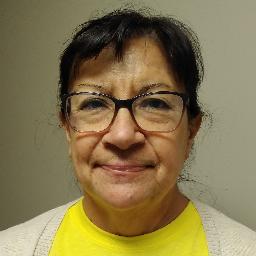
LPCC (Licensed Professional Clinical Counselor) in Minnesota with 29 years of experience, Catalina Kay helps people address addictions, relationship strains, self-esteem issues, depression, and life changes using Cognitive Behavioral Therapy (CBT). She works with clients who face trauma, intimacy concerns, eating or sleeping problems, parenting stress, anger, career questions, bipolar disorder, and hospice or end-of-life issues. Sessions focus on practical steps and clear strategies.
Catalina sees people as the experts on their own lives and emphasizes building on what already works. She uses CBT to identify unhelpful patterns and replace them with more effective thoughts and behaviors. Conversations are aimed at concrete changes, not abstract theories.
Her style centers on straightforward problem solving and skill practice. That can include setting small goals, trying new habits between sessions, and tracking what helps. She pays attention to how relationships and life transitions affect mood and behavior.
Catalina’s background includes nearly three decades of clinical work in Minnesota. Her license is LPCC, which stands for Licensed Professional Clinical Counselor. That experience contributes to a practical approach to common and complex problems alike.
People who choose her typically want clear tools and steady guidance when facing hard changes or persistent struggles. She supports clients through short-term concerns and longer-term challenges, focusing on measurable steps and repeatable skills.
Sheet 2
How Cognitive Behavioral Work Translates to Remote Sessions
Cognitive Behavioral Therapy (CBT) focuses on spotting unhelpful thoughts and testing new behaviors to change how someone feels and acts. It often uses short exercises, practice assignments, and tracking to create measurable change, which adapts well to conversation-based sessions and homework between meetings.Sessions using CBT can help with depression, anxiety, addictions, sleep and eating patterns, relationship difficulties, and coping with major life changes. The approach breaks problems into manageable steps and builds skills people can use outside the session room.
Finding the right approach is part of the work together. The therapist will collaborate with each person to decide whether CBT or a different emphasis best fits their goals and situation. This is a shared decision that can change as progress is made.
The biography does not list specific online formats, so confirm the available session types before booking. In general, remote sessions can make it easier to fit therapy into a workday, reduce travel time, and allow focused, shorter check-ins when needed. They also let people keep written notes and practice assignments in the same place they meet with the therapist.
Sheet 3
Areas of expertise
Primary focus
Also works with
Additional focus areas
Therapeutic approaches
Experience
29+ years
Listed in
Minnesota
Languages
English
Sheet 4
Frequently asked questions
What concerns does she work with?
She works with addictions, relationship issues, self-esteem, depression, trauma and abuse, eating and sleeping problems, anger, career concerns, and bipolar disorder. Hospice and end-of-life counseling are also listed as a focus.
What therapeutic approach does she use?
Her primary documented approach is Cognitive Behavioral Therapy (CBT). She uses CBT to identify thought and behavior patterns and to practice new coping skills.
How long has she been practicing?
She has 29 years of professional experience working in clinical settings. That experience informs a skills-focused, problem-solving style.
What credential does she hold and where does she practice?
She holds the LPCC credential and practices in Minnesota. LPCC stands for Licensed Professional Clinical Counselor.
In which languages are sessions offered?
Sessions are offered in English. International clients are not currently accepted.
What session formats are available?
The original biography does not list specific session formats. Please confirm current session options before booking.
How is cost handled?
Cost varies with location and sessions use a subscription that can be canceled at any time. Exact fees depend on the chosen plan and locale.
How do I get started?
Select the See online therapy options button, complete a short matching questionnaire, and schedule a first session. That process begins the intake and scheduling steps.
Online talk therapy is not emergency care. If you are in danger, use the urgent help numbers.