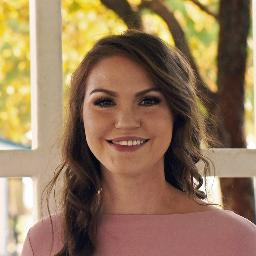
Sheet 1
- Substance use focus
- CBT and DBT methods
- Motivational Interviewing
About Cassandra
Licensed Clinical Social Worker (LCSW) in North Dakota with five years of experience, Cassandra Singh helps adults with stress, anxiety, addiction, depression, grief, trauma, anger, self-esteem, LGBT concerns, and compassion fatigue. She has a background treating drug and alcohol addiction and notes substantial work with substance use over her career. Cassandra works primarily with people aged 18 and older.
Cassandra uses straightforward, interactive counseling. She asks questions, listens closely, and works with clients to set practical goals. Sessions focus on skills people can practice between meetings, including ways to manage intense feelings and reduce substance use. The first meetings often cover immediate concerns and priorities.
Her approach draws on Client-Centered Therapy, Cognitive Behavioral Therapy (CBT), Dialectical Behavior Therapy (DBT), Motivational Interviewing, and Solution-Focused Therapy. She describes sessions as collaborative and oriented toward concrete change rather than abstract theory. Motivational Interviewing is used when substance use is a present concern to help people clarify their reasons for change.
Cassandra’s experience includes several years treating substance misuse and more recent work addressing mental health problems. She holds LCSW credentialing and has worked with adults in clinical settings in Nevada and North Dakota. That clinical mix shapes her focus on both addiction and co-occurring mood and anxiety symptoms.
People seeking a practical, skills-focused clinician may find her approach useful. She emphasizes small, achievable steps and ongoing review of progress. Clients are encouraged to raise immediate needs and to shape the work as they go.
Sheet 2
How client-centered and skills-based methods translate to online work
Client-Centered Therapy focuses on building a respectful, collaborative relationship where the client's goals guide the work. It emphasizes listening and reflecting so people can clarify what matters most to them.Cognitive Behavioral Therapy (CBT) teaches practical skills to change unhelpful thoughts and behaviors. It is often used for anxiety, depression, and patterns that maintain distress through homework and short-term exercises.
Dialectical Behavior Therapy (DBT) provides tools for managing intense emotions and reducing impulsive actions. It emphasizes mindfulness, emotion regulation, and skills practice that can be taught in session and used between meetings.
Choosing the right approach is part of the first sessions. The therapist will work with clients to identify needs, set goals, and try methods that fit those goals. That collaborative process helps adjust the plan if something is not working.
The biography does not list which session formats are offered. Confirm current session options before booking so you know how meetings are scheduled. Online work can make it easier to fit sessions into a weekday, reduce travel time, or choose a shorter check-in when needed. Therapists who use CBT and DBT can assign exercises and review progress between sessions, which helps carry skills into daily life.
Sheet 3
Areas of expertise
Primary focus
Also works with
Additional focus areas
Therapeutic approaches
Experience
5+ years
Listed in
Nevada, North Dakota
Languages
English
Sheet 4
Frequently asked questions
What concerns does she address?
She works with stress, anxiety, depression, grief, trauma, anger, self-esteem, compassion fatigue, LGBT concerns, and addictions including drug and alcohol issues.
What is her therapeutic style?
Her style is interactive and practical. She emphasizes goal-setting, skill practice, and collaborative problem-solving.
How much clinical experience does she have?
She has five years of clinical experience, with substantial work in substance use and more recent work in mental health.
What credentials and region are listed?
She is a Licensed Clinical Social Worker (LCSW) with credentialing noted for Nevada and North Dakota and practices from North Dakota.
Which languages are offered and can international clients join?
Sessions are offered in English. International clients are not currently accepted.
What session formats are available?
The biography does not specify session formats. Confirm current session options before booking to know whether video, phone, or messaging is offered.
How are costs handled?
Cost varies with location. Sessions use a subscription model that can be canceled at any time.
How do I begin working with her?
Start by selecting the See online therapy options button, complete the short matching questionnaire, and schedule a first session.
Online talk therapy is not emergency care. If you are in danger, use the urgent help numbers.