Sheet 1
- Trauma focused CBT training
- Socratic questioning style
- Skill building and coaching
About Andrew
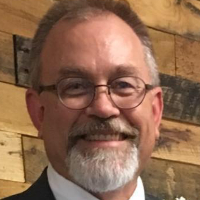
Licensed Professional Counselor (LPC) in Oklahoma with 20 years of practice experience, Andrew Merritt helps people facing stress, anxiety, depression, grief, relationship and parenting concerns. He also supports people managing trauma and abuse, bipolar disorder, ADHD, sleep problems, anger, self-esteem issues, career transitions, compassion fatigue, and intimacy-related difficulties. Andrew uses a mix of practical approaches and conversations to address everyday problems.
Andrew trained at the master's level in counseling and holds LPC credentials in Oklahoma and Colorado. He has worked in several U.S. states and abroad, which shaped his awareness of cultural differences and how they affect daily life. That background informs how he listens and asks questions about a person's situation.
In sessions he often uses a Socratic style of questioning to help people notice unhelpful beliefs and test new ways of thinking. He has had training in Trauma Focused Cognitive Behavioral Therapy and Cognitive Processing Therapy, which he draws on when trauma is part of the picture. He also introduces skill-building and behavior changes to improve day-to-day coping.
Andrew describes his approach as eclectic. He combines evidence-based techniques with practical skill practice and thoughtful challenge when needed. This can include exploring patterns of functioning, adding new routines, or adjusting traditions to better support current goals.
People can expect direct conversation, gentle challenge around thinking patterns, and focus on concrete steps they can try between sessions. He aims to help people move from simply getting by toward clearer ways to manage challenges and relationships.
Sheet 2
Evidence-based approaches and remote work
Andrew uses Trauma Focused Cognitive Behavioral Therapy to address the impact of traumatic events; this approach breaks down trauma responses into thoughts, feelings, and behaviors and teaches skills to reduce distress. He also uses Cognitive Processing Therapy to help people re-evaluate beliefs tied to traumatic experiences and to reduce avoidance and stuck patterns.He blends these therapies with a Socratic questioning style and practical skill practice. Deciding which approach to use is collaborative - the therapist and client review goals, try techniques, and adjust the plan based on what helps most. That process includes checking how exercises and new routines fit into a client's daily life.
Confirm the session formats Andrew currently offers before booking. Online sessions can make it easier to fit therapy into a busy schedule, allow shorter check-ins when time is limited, and remove travel time so work or family commitments are easier to manage. A clear plan for which techniques to try between sessions helps keep progress steady when therapy is delivered remotely.
Sheet 3
Areas of expertise
Primary focus
Also works with
Experience
20+ years
Listed in
Oklahoma, Colorado
Languages
English
Sheet 4
Frequently asked questions
What concerns does he address?
He works with stress, anxiety, depression, grief, trauma and abuse, relationship and intimacy issues, parenting and family concerns, ADHD, bipolar disorder, sleep and anger problems, career transitions, and compassion fatigue.
What is his therapeutic style?
He uses an eclectic, practical approach that mixes Socratic questioning with skill building and gentle challenge. Sessions focus on changing unhelpful beliefs and adding concrete coping strategies.
How much experience does he have?
He has been a counselor for 20 years and has worked in multiple U.S. states and abroad.
Which credentials and location apply?
He is a Licensed Professional Counselor (LPC) licensed in Oklahoma and Colorado and practices from Oklahoma.
Which languages are supported?
Sessions are offered in English.
Can people outside the U.S. work with him?
He does not accept international clients at this time.
How are sessions scheduled and what does cost look like?
Cost varies with location and sessions use a subscription that can be canceled at any time.
What steps start the process?
Use the See online therapy options button, complete a short matching questionnaire, and schedule a first session.
Online talk therapy is not emergency care. If you are in danger, use the urgent help numbers.